When a Move Goes Wrong: Estimates, Held Goods and Damage Claims
What a mover can demand at delivery, binding against non-binding estimates, full value against 60 cents a pound, what to do when goods are held and how to file and escalate a damage claim. From the federal rules read on 13 November 2026.
Updated
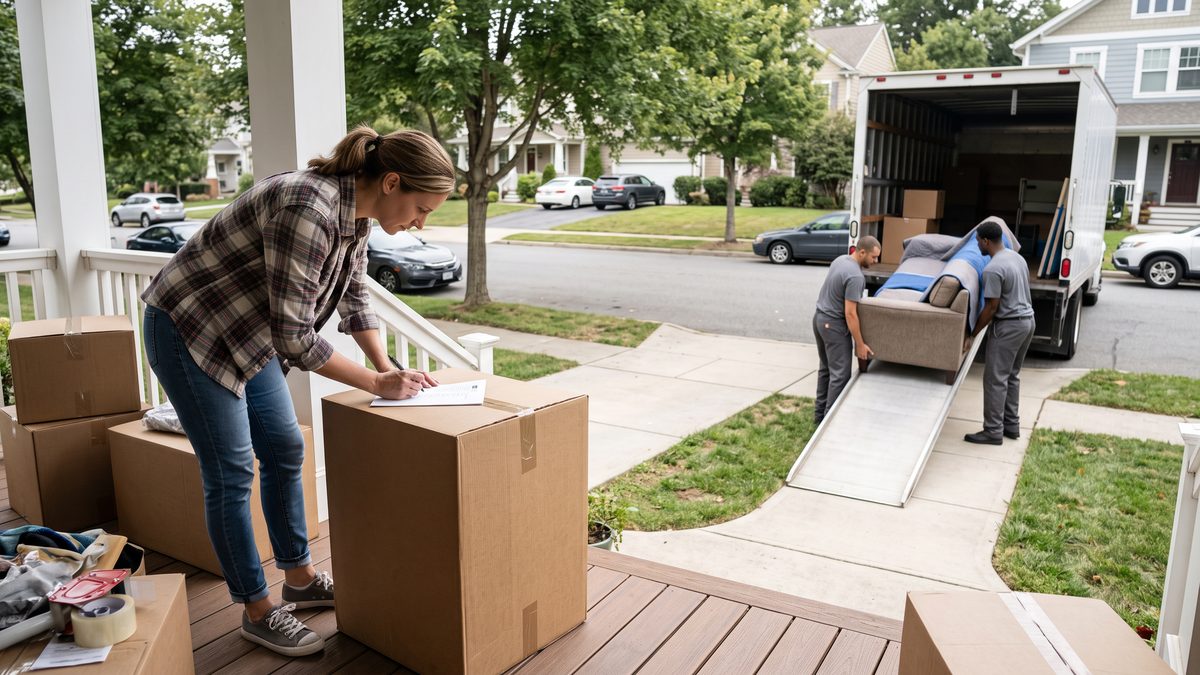
The loud part of a bad move is usually the last hour of it: a truck in the street, a driver asking for more than the estimate and your furniture still inside. The federal rules for moves between states say how much a mover may demand, when it has to hand your things over and how long you have to claim for what broke. Most of what follows comes from the booklet every interstate mover must give you.
These rules cover household goods moved between states for an individual customer. A move inside one state follows that state's rules, and the license guide says where to find them. Companies that carry households across state lines are listed by city under long distance movers.
How much can the driver ask for at the door?
Choose the type of estimate you signed. The sum shows the most a mover may require before it has to unload.
The extra labor line stands for charges the mover's tariff calls impracticable operations, such as a street too narrow for the truck. They are due on delivery but cannot exceed 15 percent of the other charges due then. The booklet lets the mover bill any remaining balance after 30 days from delivery.
Binding and non-binding: what each one does when the truck is weighed
The total is fixed
A binding estimate guarantees the price for the items and services written on it, and you cannot be made to pay more at delivery. If you add items or services, you and the mover can keep the original, write a new binding estimate or agree in writing to turn it into a non-binding one. If nothing is agreed in writing before loading, the original binding figure stands. The mover may charge a fee to prepare one.
The weight decides
A non-binding estimate is the mover's best guess, and the final bill follows the real weight, the services done and the tariff. It has to be in writing, reasonably accurate and free of charge. On the day, if you add items, the mover must reaffirm the estimate or write a new one before loading. Each weighing needs its own signed ticket, and you can ask for a reweigh at no cost, with the new weight deciding the bill, even if it is higher.
The line on the estimate that decides what a broken sofa is worth
Repair, replace or pay the cost
This is the level you get unless you waive it in writing, and the first estimate has to include it. A lost or damaged article is repaired to its earlier condition, replaced with one of like kind and quality, or paid for. The booklet sets the lowest valuation at $6.00 per pound of the shipment. It costs more than the basic move, and a deductible may apply.
Free, and thin
If you waive full value, the mover owes no more than 60 cents per pound for each article. The booklet's own example: a 10-pound stereo component worth $1,000 that is lost brings $6.00. Anything worth more than $100 per pound, such as jewelry or silverware, must be listed on the paperwork or the cover can be limited.
Try it with one item
If you buy separate cargo insurance through the mover, it must give you a copy of the policy or a written record at the time of purchase. Disputes with that insurer are outside the federal rules. The valuation wording comes from the Surface Transportation Board's released rates order, which the booklet links.
When the mover will not unload
What the rules say you owe
The mover must give you possession once you pay 100 percent of a binding estimate or 110 percent of a non-binding one, plus any services you ordered after signing and any impracticable operations charge up to its 15 percent cap. If it refuses after you have offered that, the booklet calls it holding your shipment hostage.
What the law does to a mover that does
Under 49 U.S. Code 14915, a person found holding a household goods shipment hostage is liable for a civil penalty of not less than $10,000 for each violation, each day may count as a separate violation, and the registration can be suspended for 12 to 36 months. Criminal conviction can bring up to two years in prison. The booklet tells you to call FMCSA at (888) 368-7238 straight away if the mover refuses to deliver unless you pay an amount it is not entitled to charge.
If you cannot pay the full amount due at delivery, the mover may put the shipment in storage at your expense until you pay. Pay by the method written on the estimate, keep every receipt, and never sign a release that waives all claims in return for delivery: the booklet says movers are prohibited from asking for one.
A damaged item, step by step
- At delivery, check each item against the inventory.Note new damage on the form and tell the driver. Do not sign the mover's copy until it shows any missing or damaged items.
- Put the claim in writing within 9 months of delivery.If the whole shipment is lost, the nine months count from the date it should have arrived. Send it to the mover or its insurer. The claim must identify the shipment, say the mover is liable and ask for a stated amount of money (49 CFR 370.3).
- Expect an acknowledgement within 30 days.The mover then has 120 days to pay, decline or make a firm settlement offer in writing. If it needs longer, it must tell you why in writing and update you every 60 days (49 CFR 370.5 and 370.9).
- If you cannot agree, ask for arbitration.Every mover must run an arbitration program and give you a summary of it before you sign the bill of lading. For a claim of $10,000 or less, the mover must agree if you ask, and the decision binds both sides. Above $10,000 it can refuse.
- Or go to court.You serve the mover's process agent in your state. A claim above $10,000 can go to federal court. By statute the mover cannot give you less than two years to sue, counted from its written notice that it has refused part of the claim (49 U.S. Code 14706).
FMCSA says in the booklet that it cannot settle a loss or damage claim for you. Pursuing it with the mover is up to you.
Who to tell, and what to bring
For a move between states
FMCSA is the agency to tell. The booklet gives (888) 368-7238 for a mover that will not deliver, and the FMCSA also runs a national database for consumer complaints about movers and brokers. Bring the estimate, the bill of lading, the inventory, the weight tickets, the final bill and your receipts.
For a move inside one state
Take it to the state agency named in the state table, where there is one. The federal booklet's claim deadlines, the 110 percent rule and the arbitration program do not apply to it, so read the state's own rules and your contract.
What each rule above was read in
- 49 CFR Part 375, with Appendix AThe booklet "Your Rights and Responsibilities When You Move": estimates, 110 percent, 15 percent cap, valuation, claims, arbitration, FMCSA number. Read on 13 November 2026.
- 49 CFR Part 370What a claim must contain and the 30 and 120 day deadlines. Read on 13 November 2026.
- 49 U.S. Code 14706Nine months to file and two years to sue. Read on 13 November 2026.
- 49 U.S. Code 14915Penalties for holding household goods hostage. Read on 13 November 2026.
- Surface Transportation Board released rates orderThe source of the 60 cents a pound limit, as linked in the booklet. Opened on 13 November 2026.